
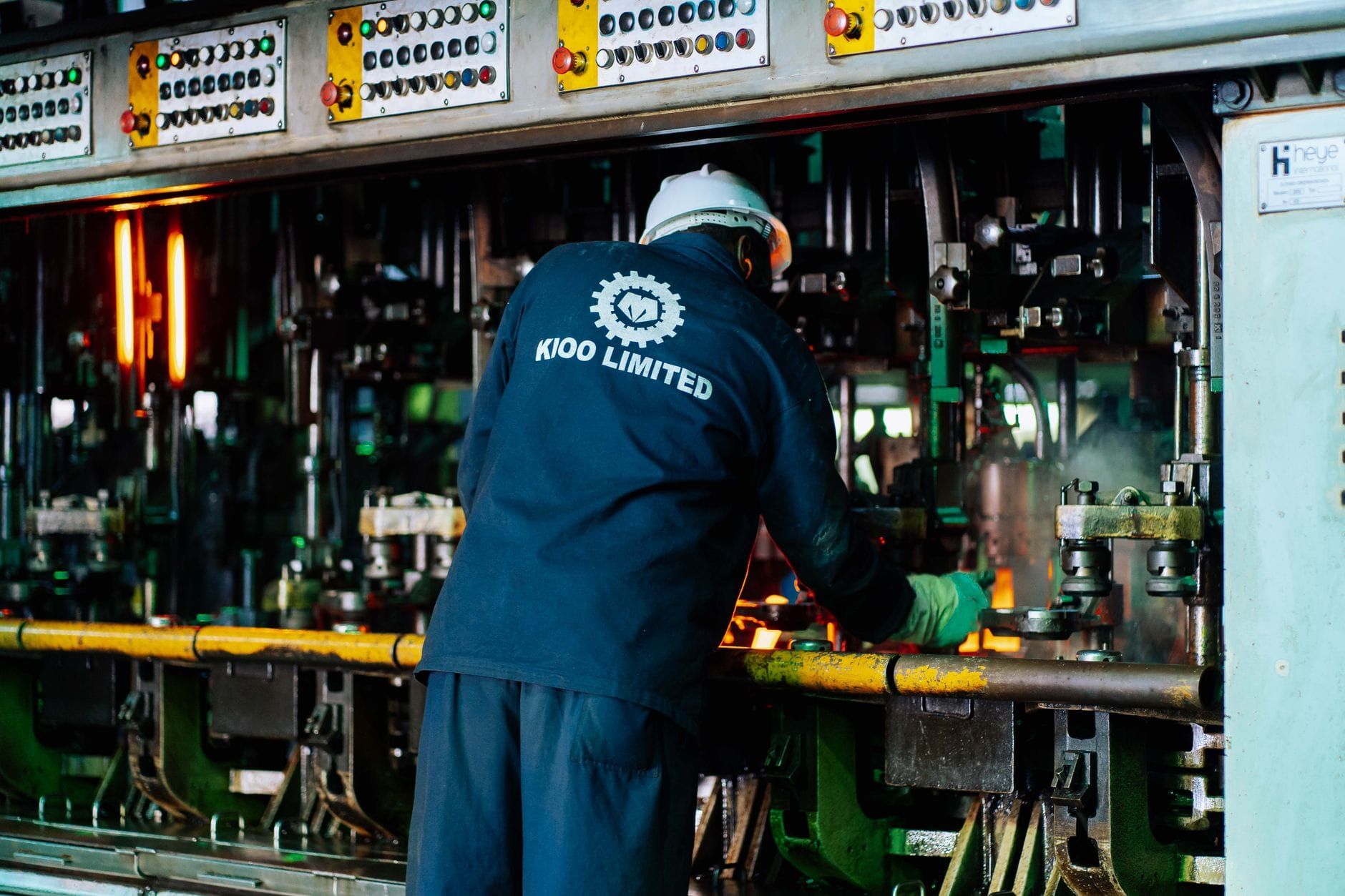
Abidjan is hosting a joint session of two African Union technical committees from 20 to 22 July 2026, focused on financing continental industrialisation. The opening finding is stark: with 18% of the world's population, Africa generates just 2% of global manufacturing value added.
The Scale of the Industrial Challenge
The meeting brings together two AU specialised technical committees — the 9th (finance, monetary affairs, economic planning) and the 5th (trade, industry, mineral resources) — to examine concrete levers for closing this structural gap: domestic resource mobilisation, combating illicit financial flows, cross-border economic corridors and debt sustainability.
The African Continental Free Trade Area (AfCFTA) is at the heart of the discussions. Bamba Vassogbo of the AU Commission called it "a historic opportunity" for industrial transformation. "No African country can succeed alone," he stated.
Côte d'Ivoire as Host and Showcase
The choice of Abidjan is deliberate. Côte d'Ivoire's 2026-2030 National Development Plan is valued at 114,838.5 billion CFA francs, with more than 70% expected from the private sector. The country has positioned itself as a sub-regional investment model after securing over 80 billion dollars in pledges at the Africa Forward Summit in May 2026.
The Hard Questions on the Table
Experts are wrestling with several difficult trade-offs: how to finance industrial development without adding to already-strained public debts? How to transform raw materials locally rather than export them crude? How to attract private investors to countries still perceived as high-risk? The challenge of illicit financial flows — estimated at tens of billions of dollars per year across the continent — crystallises much of the tension.
Why This Matters
The 2%-versus-18% gap reflects a structural reality: Africa exports raw wealth and imports manufactured goods at higher value. For Indian Ocean economies — Madagascar (graphite, nickel, vanilla), Mauritius (financial services), Seychelles — the AU industrial agenda sets the framework within which this decade's investment opportunities will be won or lost. Every step forward on the AfCFTA opens regional markets that were previously inaccessible.