
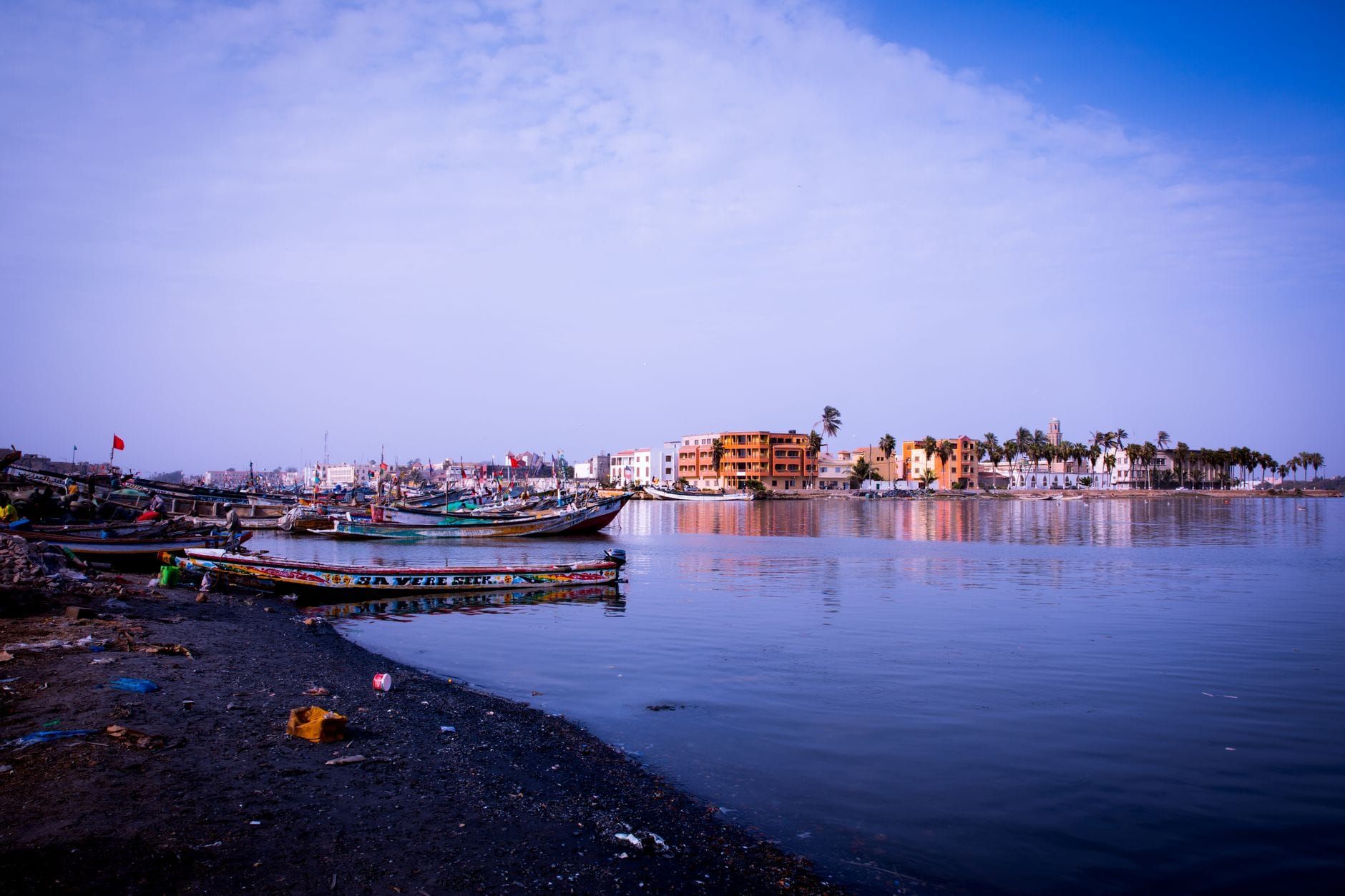
Dakar / Washington, September 4, 2026. The International Monetary Fund and the Senegalese government reached a staff-level agreement on September 1 for a $2.2 billion financing program over 36 months under the Extended Credit Facility (ECF). A much-needed lifeline for Dakar's public finances after 22 months of frozen relations with the Bretton Woods institution.
The End of a 22-Month Freeze
The breakdown with the IMF dates back to the political crisis of 2024. A public finance audit commissioned by President Bassirou Diomaye Faye's government revealed hidden debt and significantly understated fiscal deficits by the previous administration — approximately $10 billion in undeclared liabilities. This discovery froze negotiations with the Fund and cut Dakar off from several external credit lines.
After a 14-day mission in August 2026, IMF teams assessed that the reforms undertaken — fiscal consolidation, tax reform, strengthened public finance transparency — were sufficient to restart dialogue. The agreement announced on September 1 remains subject to approval by the IMF's Executive Board, expected in the coming weeks.
A Strong Signal for Markets
The immediate impact is as symbolic as it is financial. An IMF program acts as a «good governance seal» in the eyes of international financial markets: it conditions access to sovereign bond issuances, World Bank financing, and numerous bilateral loans. For 22 months, the absence of a program had significantly raised the cost of financing for the Senegalese state.
Financial Afrik notes that this agreement is described as a «historic signal» by several economists in the region: it is the first time in years that Senegal has engaged in an IMF program without debt restructuring, indicating that the fiscal situation, while under pressure, remains manageable.
Demanding Conditions
The agreement is not without strings attached. Dakar commits to reducing the budget deficit, strengthening the financial governance framework, and improving domestic tax revenue mobilization. Nascent oil and gas revenues — Senegal began hydrocarbon production in 2024 — will need to be managed transparently through a stabilization fund.
Why It Matters for the Indian Ocean and Africa
The Senegal-IMF deal goes beyond Senegal's own borders. It sends a message to markets: African governments that seriously commit to transparency and reform can regain access to international financing, even after a serious crisis. For Indian Ocean nations also looking to raise capital on international markets — Comoros, Madagascar, Mauritius — the equation is the same: fiscal discipline remains the key to accessing financing at competitive terms.