
The Africa Energy Chamber's 2026 report paints an ambitious yet demanding picture of the continent's energy situation. To meet its climate commitments while powering a population that will represent 28% of humanity by 2060, Africa will need to mobilise over $30 billion per year in energy infrastructure investment through 2030.
An Energy-Rich Continent, Still Underelectrified
Africa currently produces 11.4 million barrels of oil equivalent per day, projected to reach 13.6 million by 2030. On gas, the continent accounts for over 300 billion m³ annually, representing 8.5% of the global LNG market (34.7 million tonnes). Vast resources — and yet, access to electricity remains an unsolved equation for hundreds of millions of Africans.
Renewables Accelerating, but the Gap Remains Huge
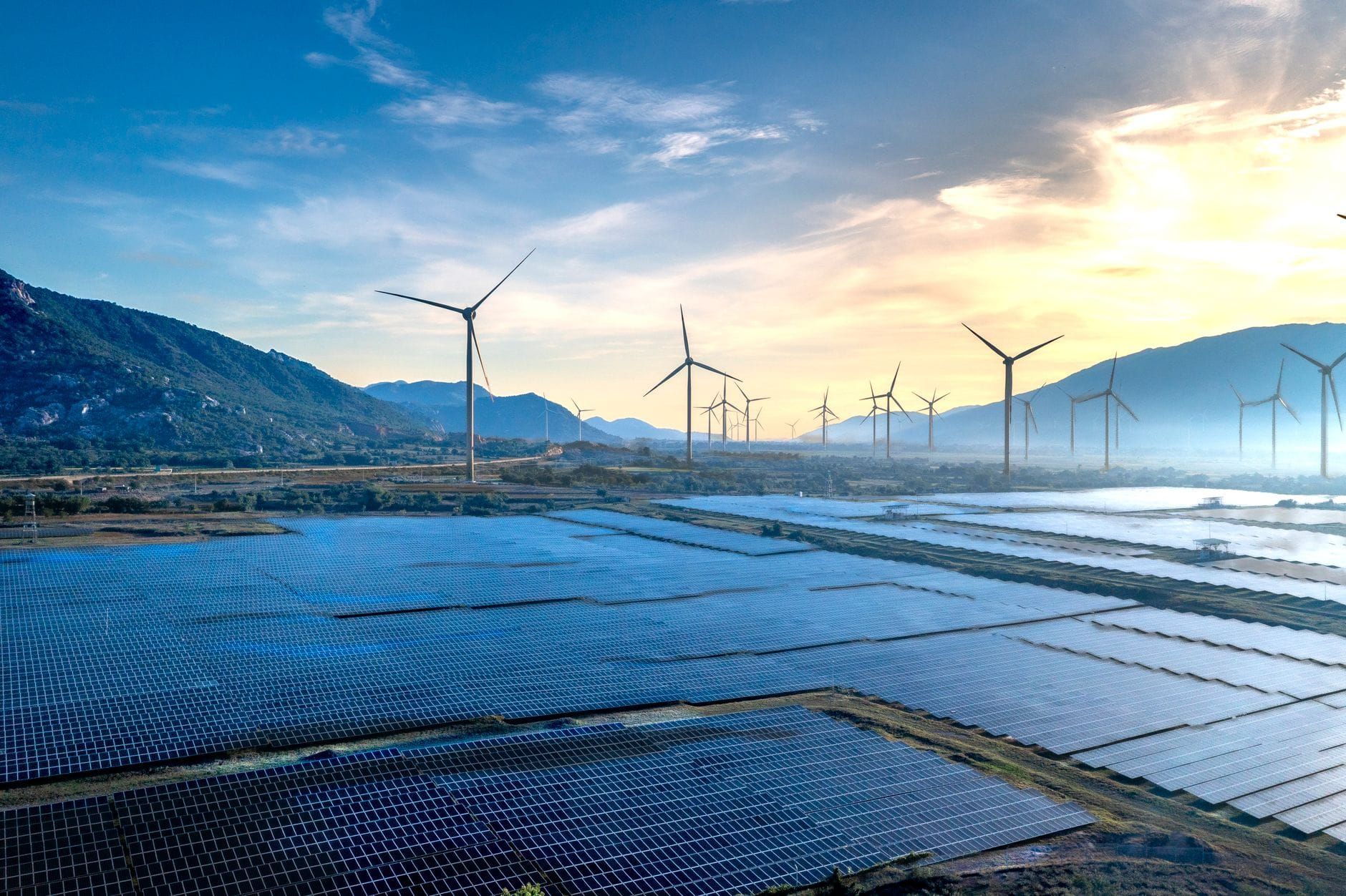
Clean technology investments reached $34 billion between 2020 and 2025. By end-2024, 25 GW of renewable capacity had been secured through public procurement, plus 11 GW via private agreements. These volumes remain insufficient given projected demand: 2,291 TWh by 2050, more than double 2025 levels.
Why It Matters
The AEC advocates a three-pillar strategy: universal energy access, local value creation and grid modernisation. The African paradox — 28% of the world's population by 2060 for just 9% of energy emissions — places the continent in a singular position in international climate negotiations. Africa doesn't have to choose between development and sustainability: it needs both simultaneously. For Indian Ocean investors and beyond, the continent's structural energy needs represent a major opportunity set — provided regulatory frameworks and sovereign guarantees keep pace.