
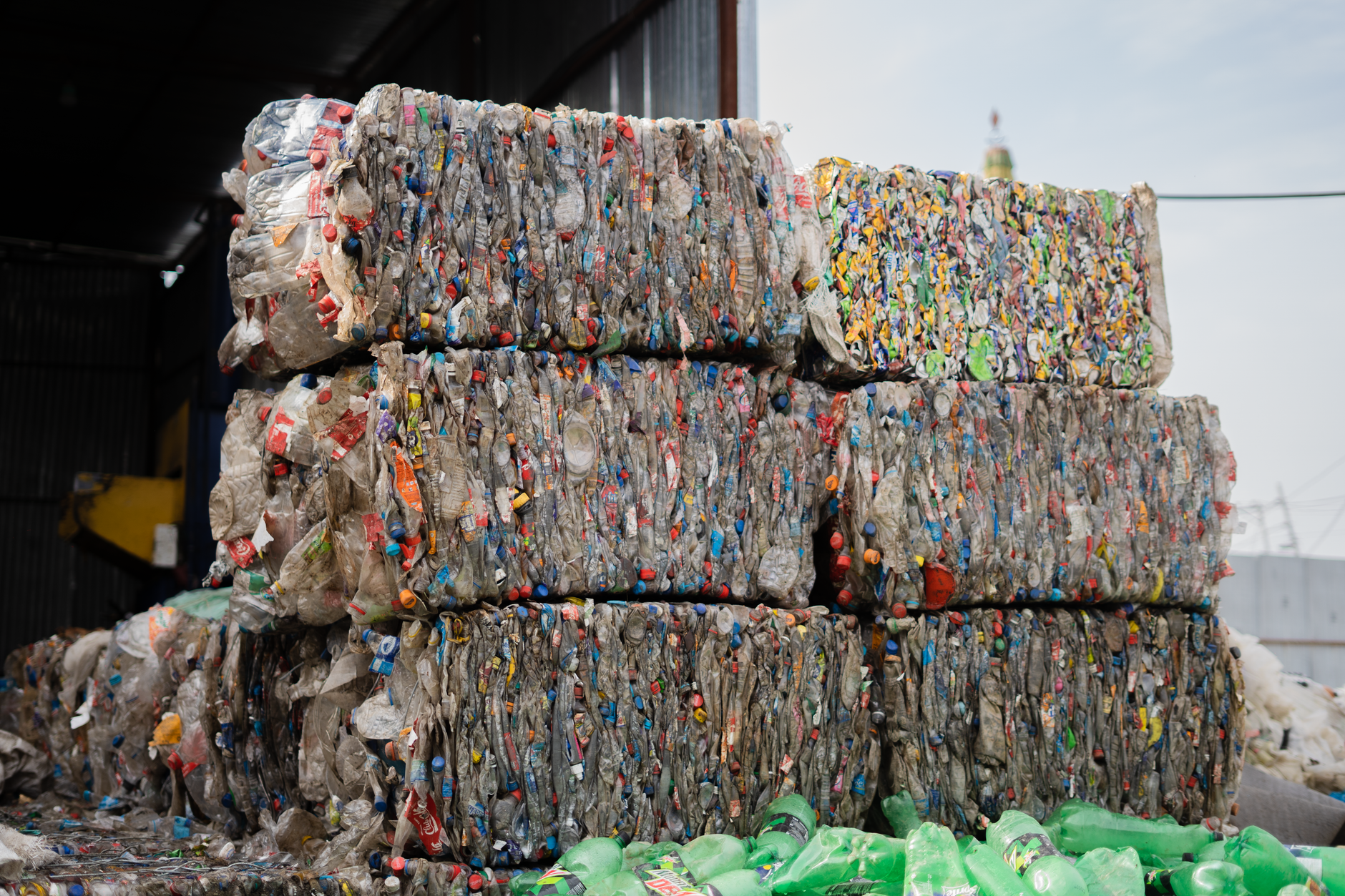
The 19th COMESA Business Forum, meeting in Harare, Zimbabwe this week, devoted a high-level session to the circular economy. The 'Green Industry Connect' gathering brought together government officials, businesses, financiers and development partners to champion green industrial value chains across the region — which includes several Indian Ocean territories.
$4.5 trillion: the global potential of the circular economy
Speakers cited a figure that underlines the scale of the opportunity: the circular economy could contribute up to $4.5 trillion to the global economy by 2030 while generating around six million net jobs worldwide. For Eastern and Southern Africa, endowed with abundant natural resources and a large youth population, the opportunity is historic.
'Green industry is no longer an ethical option — it is a condition for competitiveness, market access and investment attraction,' the COMESA Secretariat stated.
Strategic sectors for the Indian Ocean
The programme targets leather, textiles, plastics, e-waste, batteries, and repair and reconditioning. Several of these sectors directly concern COMESA members from the Indian Ocean — Madagascar, Mauritius, Comoros and Seychelles — which can leverage their geographical position to integrate into regional value chains.
The EU-funded Switch to Circular Economy programme supports the initiative in areas of standards, training and access to clean technologies. The UN Economic Commission for Africa (ECA) is also a partner in the process.
AfCFTA: the missing accelerator
Kenyan Minister Lee Kinyanjui, speaking on behalf of the COMESA Council of Ministers, called for accelerating the effective implementation of the African Continental Free Trade Area (AfCFTA). Reducing tariff and non-tariff barriers between member states is a prerequisite for regional circular value chains to function at scale. Without harmonised standards and regulations, secondary material flows (recyclable waste) remain blocked at borders.
Host country Zimbabwe was represented by its Minister of Foreign Affairs and Trade, Amon Murwira, who stressed the need to move beyond raw material exports — a message echoed across several capitals in the region.
Why it matters
For the Indian Ocean region, the rise of a regional circular industry represents a rare window of opportunity: global climate policies are driving growing demand for secondary materials and reconditioned products. Mauritius, well-positioned in financial services, and Madagascar, rich in raw materials, could play complementary roles in these new value chains. Sources: allAfrica.com / lejecos.com, COMESA Forum Harare, October 2026.