
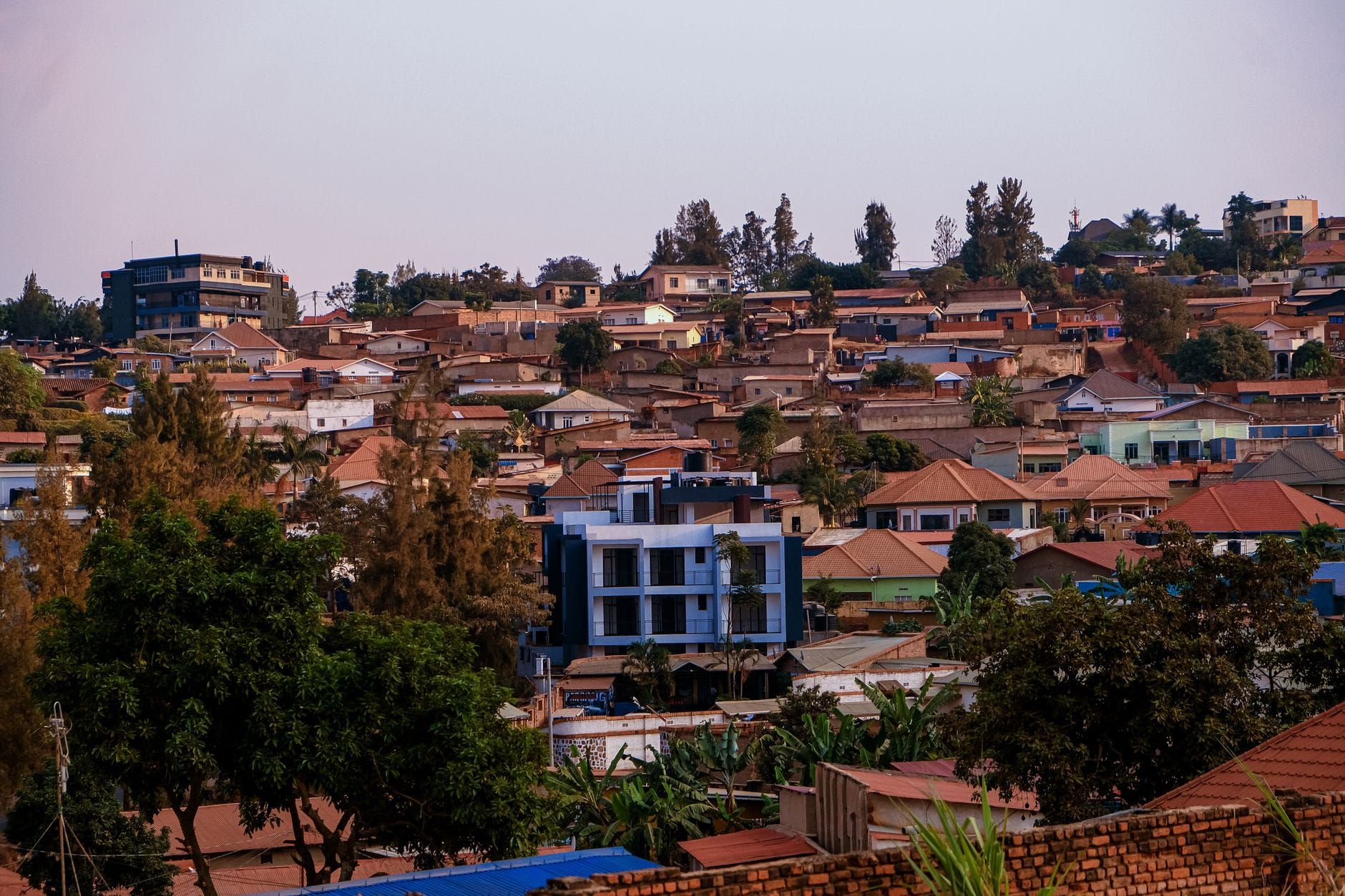
According to the African Development Bank's latest report, East Africa remains the continent's most dynamic region with growth estimated at 5.9% in 2026. Rwanda, Tanzania and Uganda are leading the way, but an annual development financing gap of $119 billion risks capping the region's ambitions.
Rwanda: The 7% Locomotive
Rwanda is projected to record real GDP growth of 7.0% in 2026, driven by strong services, construction, tourism and sustained public investment. The AfDB credits "strong performance in services, construction, manufacturing and agriculture, with domestic demand and public investment underpinning growth." In 2025, the country had already posted 9.4% — one of the best rates on the continent.
Rwandan inflation, which rose to 7.2% in 2025, is expected to ease to 5.6% in 2026, staying within manageable bounds for monetary policy.
Tanzania Consolidates at 5.4%
Tanzania's growth moderates slightly to 5.4% in 2026 (from 6.0% in 2025), amid global trade tensions and supply chain disruptions linked to Middle East conflicts. A sign of underlying health: private sector credit grew by 20.3% in 2025, reflecting robust private investment momentum. Inflation remains contained at 3.8% in 2026, within central bank targets.
A $119 Billion Gap That Changes Everything
Behind the growth numbers, the AfDB identifies a structural bottleneck: East Africa faces an annual development financing gap of $119 billion. Kenya alone needs $12.5 billion per year by 2030 to meet its development needs.
Eva Ruganzu, the Bank's Regional Implementation Support Manager, is clear: "Resilience cannot be achieved through isolation," calling for bold financing reforms and deeper regional cooperation.
AfDB Recommendations
In the short term, the bank recommends strengthening tax administration, improving public spending efficiency and reducing illicit financial flows. Over the medium term, it calls for expanding public-private partnerships, mobilising pension and diaspora capital, and deepening regional local-currency capital markets. The AfDB estimates that African institutional assets exceed $4 trillion — a largely untapped pool for infrastructure financing.
Why It Matters
East Africa is the continent's top growth market. For businesses and investors from the Indian Ocean region, the Rwanda-Tanzania dynamic represents a gateway to a rapidly expanding consumer base — provided the financing gap can be bridged.
Sources: AfDB — East Africa Economic Outlook 2026, The EastAfrican, TanzaniaInvest.