
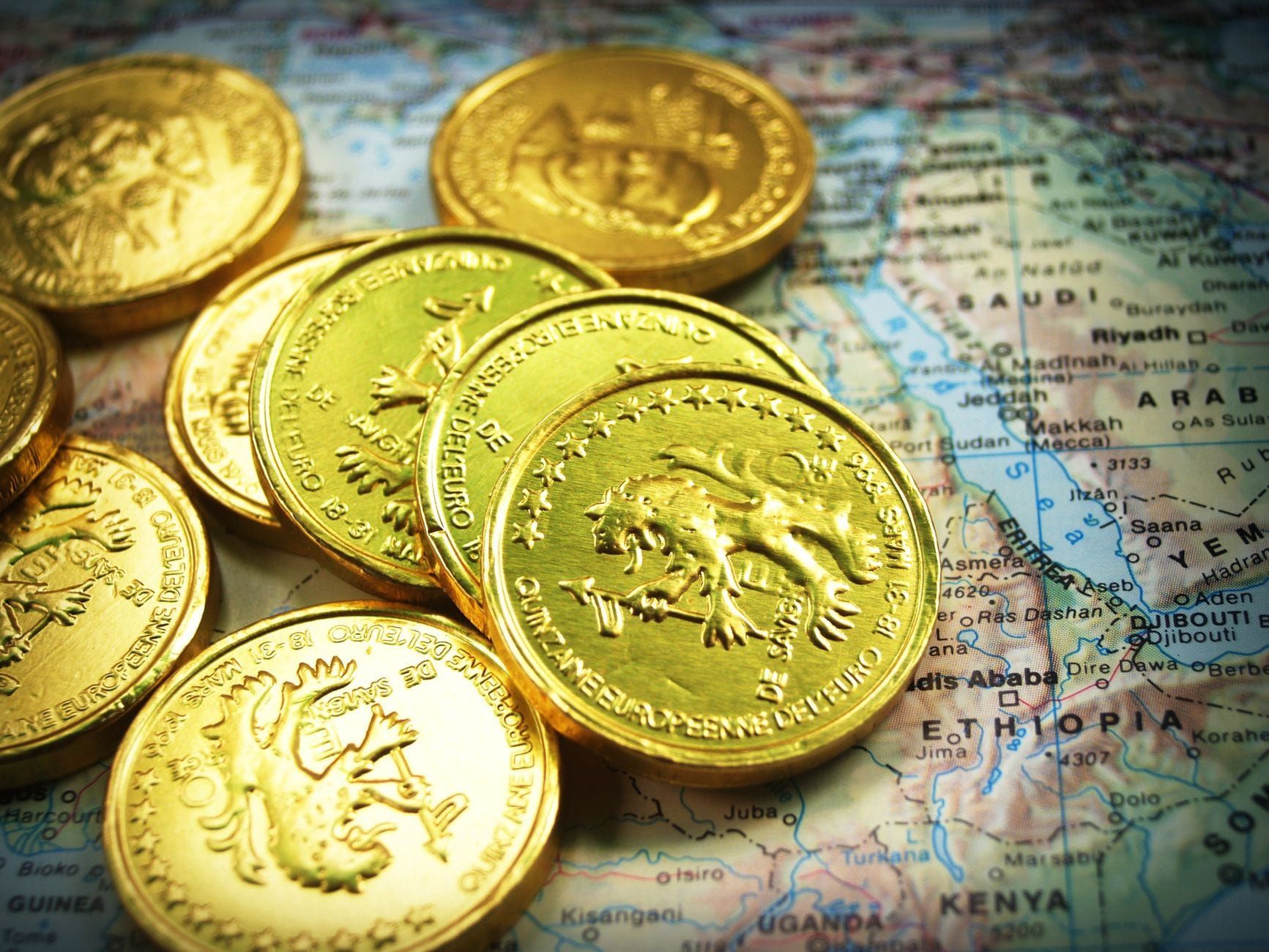
Meeting on 19 July 2026 in Freetown, Sierra Leone, for the 69th Ordinary Summit of Heads of State and Government, ECOWAS leaders reaffirmed their commitment to launching the ECO single currency in 2027. A decisive signal after decades of delays and unmet convergence criteria.
A Project Decades in the Making
The ECOWAS single currency has been on the regional agenda since the 1980s, repeatedly delayed by macroeconomic divergence, political disagreements and unmet convergence thresholds. In 2019, the name "ECO" was formalised — without follow-through. The Freetown summit marks a turning point: for the first time, a firm deadline — 2027 — is enshrined in the official final communiqué of the 69th conference.
A Progressive, Pragmatic Approach
The launch will not apply to all 15 member states simultaneously. ECOWAS adopted a phased approach: the launch of the ECO will "begin with countries that meet the defined convergence criteria and are ready," the communiqué states. Nations that have not yet met the criteria — controlled inflation, a contained budget deficit, adequate foreign reserves — will receive assistance to join the monetary zone at a later stage.
On the administrative front, progress is equally concrete: the "ECO" brand has been officially registered with the African Intellectual Property Organisation (OAPI), a symbolic yet tangible act signalling the project's irreversibility.
A Major Commercial Opportunity
The ambition goes well beyond monetary symbolism. The ECO is designed to ultimately replace the CFA franc and other national currencies across the 15-member bloc, facilitating intra-regional trade, reducing transaction costs and strengthening West Africa's negotiating power internationally.
Why It Matters
For Indian Ocean economic operators, West Africa's monetary integration is a structural signal. A 15-country zone — representing over 400 million consumers — with a single currency would offer a far more readable market for Mauritian, Réunion and Malagasy exporters prospecting in West Africa. If the ECO materialises in 2027, it will redefine the rules of continental trade and make the corridors between the Atlantic and Indian Ocean sides of Africa increasingly strategic.